Foam density isn't a marketing gimmick—it’s a durability rating. That pounds per cubic foot figure tells you how much foam is packed into each cube, and that translates directly into how long it’ll keep its shape under your weight night after night. Think of a low-density foam like a loosely packed pillow; it compresses easily and doesn’t bounce back with the same vigour. Over time, that soft initial feel gives way to a permanent flat spot where your hips sink in.
For side sleepers, that pressure point is critical. Your shoulder and hip need a cushion that contours deeply to relieve pressure, but also one that resurfaces after you get up. A 4 to 5-pound memory foam layer does that job reliably. It’s dense enough to resist collapsing into a permanent divet, even through the relentless humidity of our non-air-conditioned bedrooms. A 2-pound layer, while initially plush, often loses its fight within a year—the material simply doesn’t have enough substance to withstand constant compression and the ambient moisture that weakens its structure.
The exception? If you’re buying a mattress strictly for a guest room or a seldom-used spare bedroom, where it’ll see light use, a lighter comfort layer might suffice. But for your main bed, where you’re logging hours every night, investing in a higher density foam is a straightforward longevity play. It’s the difference between a mattress that feels supportive for a season and one that maintains its proper function for years. If you're torn between constructions, the memory foam versus hybrid guide weighs them for the local climate — memory foam cradles the shoulders and hips with the deepest contour, while a hybrid adds a coil base for support and better airflow. For a side sleeper, it comes down to how much contour you want versus how cool you need to sleep. The guide lays out the trade-off plainly, which is exactly the decision a side sleeper is making.. You won’t notice the difference on a showroom floor—both feel soft when you lie down for a minute—but you’ll feel it in your shoulders after twelve months of sleep.
So when you’re looking at specs, treat that density number as a forecast. A higher number predicts a material that’s built to last, to hold its contouring properties against the twin forces of body weight and Singapore’s climate. It’s a quiet assurance that the relief you bought for your side sleeping posture won’t vanish before the warranty expires.
The single biggest decision for a side sleeper is firmness, so the mattress firmness scale of 1 to 10 is the tool to use — side sleepers generally want the softer-to-medium-firm range, where the surface cushions the shoulder and hip rather than resisting them. Back and stomach sleepers go firmer; side sleepers go softer. Body weight nudges it too, so a heavier side sleeper may want slightly more support. Shopping by a numbered firmness beats trusting a vague "soft" label that means something different on every mattress..A mattress for side sleepers needs a softer comfort layer with adequate density to cradle the shoulders and hips. This pressure relief is essential to prevent morning aches, especially for pregnant women advised to sleep on their left side. Look for memory foam or latex layers with a thickness of at least 10cm to allow proper contouring without bottoming out.
High foam density in a mattress's comfort layers helps it resist sagging and retain support despite Singapore's 80%+ humidity. Quality materials prevent heat retention and moisture buildup, which can degrade comfort over time. A breathable, removable cover is also key for ventilation and maintenance in our climate.
That initial plushness is a trap. You lie down on a new budget mattress, and the foam gives way just right around your shoulder, feeling like a perfect cradle. It’s a comfortable fit for a year, maybe eighteen months. Then the slow decline begins. The low-density foam in that top comfort layer, the part that’s supposed to be soft for pressure relief, doesn’t have the structural integrity to bounce back day after day. It starts to remember the shape of your body a little too permanently.
What you get are body impressions—soft spots that deepen over time. For a side sleeper, the worst one forms exactly where your shoulder sinks in. The mattress stops supporting it; your shoulder just drops into a shallow pit. Your spine, which needs to stay roughly straight from neck to hips, now has to twist to compensate. You’ll start waking up with a dull ache in that shoulder or a tightness across your upper back, wondering if you slept in a funny position. You did—the mattress put you there.
This progression from comfort to pain is especially common for heavier individuals, but it can affect any side sleeper on a low-tier foam bed. The material simply compresses beyond its recovery point. You’re not just dealing with a bit of sag; you’re dealing with a complete failure of the pressure-relief system. A side sleeper's mattress in a queen size at 152 by 190cm is the common couple's choice, and side sleeping is where motion isolation earns its keep — a memory foam or pocketed-spring queen means one partner shifting doesn't jolt the other. The width also lets a side sleeper draw their knees up without hanging off the edge. Pair it with a queen frame built to the same dimensions. For most couples where one or both sleep on their side, the queen is the practical size.. The mattress that felt medium-soft at purchase becomes uneven and unsupportive, forcing your body into misalignment every night. It’s a slow, costly realisation.
The one real exception is if you’re buying a mattress for very occasional use, like a guest room in a condo that only sees visitors a few times a year. In that scenario, the foam won’t clock enough compression hours to fail quickly. But for your primary bed in a 4-room BTO, where you’re sleeping on it 365 nights a year, that low-density foam is a guaranteed short-term solution. It’s a compromise that your shoulders will feel long before your wallet considers the next purchase.
The classic side-sleeper choice is a memory foam mattress — it conforms to the body's curves, relieving pressure on the hips and shoulders and helping keep the spine aligned. It also isolates motion well, so a restless partner is less disruptive. The one thing to check in the tropics is heat: gel-infused or open-cell foam dissipates body warmth far better than traditional foam. For the contouring, cradled feel side sleepers tend to prefer, memory foam is the first construction to try..For a side sleeper, the critical pressure relief happens in the top few inches of the mattress, where your shoulder and hip sink in. A thick mattress with a dense, unyielding core underneath won't help if that top layer is thin and cheap. It's like having a plush carpet laid over concrete—your joints still feel the hard floor beneath. You need a dedicated comfort layer that's thick enough to cradle those bony pressure points properly. That zone, typically three to four inches deep, is where the real contouring magic occurs. Ignoring its quality means you're buying height, not support.
Mattress specifications often list total height prominently, but you must dig for the comfort layer's separate measurement. A foam mattress is the value route to side-sleeper comfort — foam contours to the body for pressure relief at a lower price than spring builds, and it's lighter and easier to handle. Judge it on foam density rather than thickness, since density decides how long it holds support. Many foam models now add cooling gel for warmer climates. For a side sleeper who wants contouring comfort without the premium-tier spend, a quality foam is a sensible starting point.. A 12-inch profile could be built with a one-inch memory foam pad over eleven inches of firm base foam. That anatomy offers minimal contouring for a side sleeper's curved spine. The ideal breakdown sees a substantial, quality foam or latex comfort section—three to four inches—sitting atop a supportive transition and core. This setup allows the top to soften for your shoulders while the deeper layers maintain alignment. Don't just ask for thickness; ask for the layer breakdown.
Side sleeping concentrates body weight onto a smaller surface area at the shoulder and hip, creating high-pressure zones. A thin comfort layer distributes that pressure poorly, leading to morning aches. A thicker, dedicated contouring layer acts like a shock absorber, spreading the load across a wider area. This reduces the pinpoint stress on joints and allows muscles to relax through the night. Without this, even a tall mattress feels unforgiving, and you'll likely wake up sore. The relief isn't about overall height; it's about having enough soft material where the pressure actually sits.
The quality of the comfort layer material dictates how long that pressure relief lasts. A three-inch slab of high-density memory foam will maintain its contouring properties for years, resisting premature compaction. A three-inch layer of low-density foam, however, can flatten quickly, losing its supportive cradle. For Singapore's humid climate, latex offers a resilient, breathable option that also provides the necessary depth. The key is pairing sufficient thickness with material integrity. A deep but poor-quality layer fails just as fast as a thin one.
Sales tags shout about 12-inch or 14-inch profiles, but the savvy buyer looks past the headline number. You need to find the line item for the "comfort layer" or "top layer" thickness in the product specs. If it's not listed separately, ask—a missing detail often means it's negligible. A genuine mattress for side sleepers will proudly specify this, knowing it's the main selling point. Your shopping checklist should prioritise this figure over the total height. Once you know that core zone is adequately deep and well-made, the overall thickness becomes a secondary concern.
It's the classic showroom test: you lie down on a memory foam mattress, sink into that familiar hug, and for a moment it feels like blissful relief. But for a side sleeper, that initial comfort can be deceptive—the foam that cradles your shoulder might just hold it there, creating a pressure point that starts to ache after a few hours. Latex works differently. It pushes back with a buoyant, almost springy support that keeps your shoulder and hip from sinking in too deep. You don't get that stuck feeling, and for many, that translates to less tossing and turning through the night. The pressure map for a side sleeper on latex shows a more even distribution; it's a gentle lift, not a deep cradle.
Now, that premium support comes at a cost. A good natural latex mattress, one that's dense enough to last, will easily set you back over two thousand dollars. It's a significant investment, and you're paying for the material's durability and its unique responsive feel. Memory foam, especially the denser varieties, provides a more accessible route to that medium-soft comfort side sleepers need. For a side sleeper who runs hot, a latex mattress is the cooler alternative to memory foam — it still relieves pressure on the shoulder and hip, but with a more responsive, springier feel and better breathability, so it doesn't trap heat the way traditional foam can. Latex is also naturally hypoallergenic and durable. If you love the pressure relief side sleeping needs but hate sleeping hot, latex is the construction that gives you both.. You can find a quality memory foam layer that offers decent pressure relief without the latex price tag—it's the practical choice for a first BTO flat or when you're budgeting for a whole new bedroom suite.
Here's the thing they don't always tell you: the 'hug' of memory foam is a temperature-sensitive affair. In our climate, that material softens further with your body heat, which can deepen the contouring—some love this, others find it traps too much warmth. Latex, being naturally breathable, tends to sleep cooler. So if you're someone who already feels the heat at night, that latex premium might buy you better sleep on two fronts: pressure relief and temperature regulation. Just don't expect the same slow-moulding sensation when you first lie down.
My verdict leans toward latex for the long-term side sleeper, especially if you're prone to shoulder stiffness or night sweats. The upfront cost is real, but you're buying a material that retains its bounce for years. The one clear exception is if your budget is firm and your priority is immediate, plush softness. A high-density memory foam comfort layer still does the job of cushioning your hips and shoulders, and it won't demand a king's ransom. Just know what you're trading: that buoyant, lifting support for a deeper, warmer sink.
Singapore’s climate is a relentless test for mattress materials, and for side sleepers, it’s a test you can’t afford to fail. Your shoulders and hips need that soft, conforming cradle, but the wrong foam will trap heat and moisture until you’re shifting all night. Traditional memory foam is the classic culprit—its dense structure hugs your curves but also absorbs your body heat, turning a supportive layer into a warm, sticky trap by 3 a.m. That’s a real problem when humidity is a constant eighty-plus percent.
Newer foams try to solve this. Gel-infused memory foam or open-cell designs aim to let air move through, which helps a bit. They’ll feel cooler at first touch, sure. But for a west-facing master bedroom that bakes in the afternoon sun, even these can struggle. Breathability isn’t just a nice-to-have then; it’s the difference between a mattress that supports you and one that steams you. You need a material that doesn’t just promise airflow but is built for it from the ground up.
That’s where natural latex comes in. If your current mattress is too firm for side sleeping, the guide to the best mattress topper in Singapore offers a cheaper fix than replacing it — a memory foam, latex, or gel topper adds a contouring, pressure-relieving layer over a hard mattress. It's the practical middle path for a side sleeper stuck with a too-firm bed, or anyone wanting to soften a mattress before committing to a new one. The topper does much of what a softer mattress would, at a fraction of the cost.. Its open, springy structure is naturally breathable—it handles humidity like a champion because air flows right through it. For a side sleeper, this is a major win. You get the pressure relief your joints need without the swampy feeling. A thicker latex comfort layer will contour to your shoulder and hip but won’t hold onto the heat. In our climate, that’s a material advantage you’ll notice every single night.
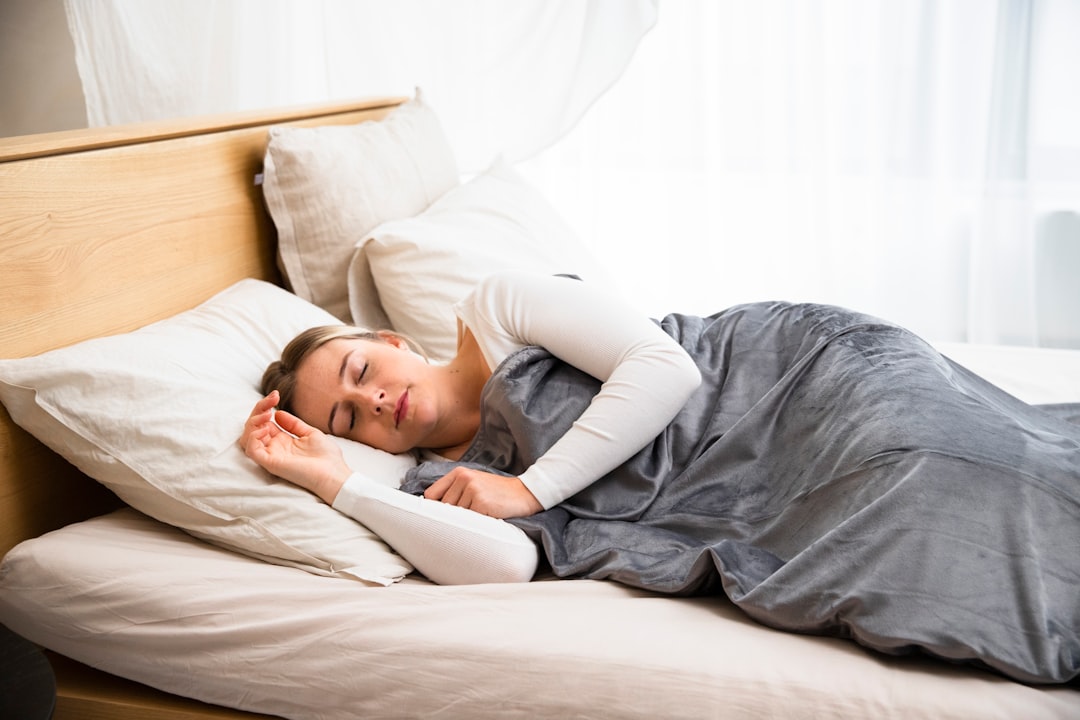
Don’t just feel the surface in the showroom. Ask about the core of the comfort layer. A high-density foam might promise longevity, but if it’s sealed tight against air, you’ll pay for that durability in discomfort. The one real exception? If your bedroom is aggressively air-conditioned around the clock, you might get away with a less breathable material. For everyone else in a typical HDB flat, prioritise a design that lets the humid air pass through. Your side-sleeping body will thank you for it come morning.
The showroom floor is quiet enough to hear the air-con hum, and that’s your cue to lie down properly. Don’t just sit on the edge and bounce—you’ll never feel how the foam settles under your hip and shoulder. Give it a full quarter-hour on your side, the way you actually sleep. That’s the only way to tell if the mattress is doing its job: letting your shoulder sink in just enough without your spine bending sideways.
You’re looking for a straight line from your neck down to your tailbone. Choosing the construction matters for a side sleeper, so browsing by mattress type helps — memory foam for the deepest contour, latex for cooler pressure relief, hybrid for contour plus a supportive coil base. Each cradles the shoulder and hip differently, so the type sets how the pressure relief feels. Pure spring without a comfort layer is usually the one to avoid for side sleeping. Matching the type to the cradled feel you want narrows the field before comparing models.. If your hips are dropping too deep, the comfort layer is probably too soft and won’t hold up over the years. If you feel any pressure point pushing back at your shoulder, it’s too firm. Side sleepers need that specific medium-soft to medium zone, and you can’t gauge it from a two-minute test.
What’s useful at a place like this is the chance to compare models side-by-side. You can go from one Somnuz to the next, feeling how a slightly denser foam cradles differently. It’s about the contour, not just the initial softness. A good one will feel like it’s wrapping your curves, not swallowing you whole. Your alignment stays neutral, and that’s what keeps you from waking up with that familiar ache.
The exception is if you’re a particularly light or heavy person—the rules shift a bit. A very light side sleeper might find even a medium mattress doesn’t give enough, while someone heavier might need a firmer base to prevent that hip sink. But for most of us, that fifteen-minute lie-down tells you everything. You’ll know by the time you get up whether your spine feels supported or out of sorts.
Skip this step, and you’re just guessing with a very expensive purchase. The difference between a mattress that works and one that doesn’t is often just a few minutes of your time on the showroom floor. Get it wrong, and you’ll be reminded every morning for years.
How to select a mattress for side sleeping with shoulder pain
The most common question we hear is about firmness for left-side pregnancy sleep. That left-side position is recommended to improve circulation, but it doesn't change the core rule for side sleepers: you need pressure relief at the shoulder and hip. A medium-soft mattress is usually the best call here—it allows the hip to sink enough to keep the spine aligned without creating a harsh pressure point. A side-sleeper pick sits within the wider mattress range in Singapore , so it's worth seeing the full spread of memory foam, latex, and hybrid options before deciding. The range is organised so you can filter to the contouring, softer-to-medium-firm builds that suit side sleeping. Browsing it shows how the pressure-relieving options compare on feel and price. Choose the construction and firmness for how you sleep, and the rest of the decision is size and budget.. A medium-firm surface will often push back too much, especially as the body changes.
Medium-soft or medium better for hip pain? Medium-soft. Hip pain means the joint is already under stress; a firmer surface concentrates the pressure. A thicker comfort layer of memory foam or latex, paired with a medium-soft rating, lets the hip depress gently. The support layer underneath still keeps you from sinking too far. A medium mattress might work for a very lightweight sleeper, but for most, it's the softer option that brings relief.
Mattress thickness is a tricky one. You see some models advertised with a 30cm profile, others at 22cm. For side sleeping, the key is the comfort layer's depth, not the total height. Aim for a comfort section—that top foam or latex layer—of at least 8cm. Anything less and your shoulder might bottom out against the firmer support core below. A total mattress thickness around 25 to 28cm is typical for a design that accommodates this.
Do I need a topper if my mattress is too firm? Yes, but it's a stopgap. A good 3 to 5cm latex or memory foam topper can soften a surface temporarily. The problem is it doesn't fix the underlying support—it just adds a squishy top. Over time, a topper can compress unevenly and you'll still feel that firm base. If you're buying new, get the right firmness from the start. If you're stuck with an existing firm mattress and the budget won't allow a replacement, a topper is the practical fix for now.
One thing people seldom ask: what about the bed frame itself? A solid platform base offers uniform support, but a sprung slat system can add a slight flex that makes a medium-soft mattress feel even more accommodating. It's a small detail, but in a 4-room BTO master bedroom where every component counts, it can influence the final feel.
Spec sheets are your best friend and worst enemy—they’ll list a foam density number, but they won’t tell you how it’ll feel after five years of side sleeping in our humidity. That’s the real test. You need to verify two things: the density of the support foam, and the actual thickness of that top comfort layer meant to cradle your shoulder and hip. Among the options, Somnuz is Megafurniture's in-house line, with latex and pocketed-spring models that pair pressure-relieving comfort layers with a breathable Tencel® cover for the local climate — a side sleeper gets the contour and the cooling in one, without the name-brand markup. Pocketed springs also isolate motion, a plus for couples. For a side sleeper after well-built, cool-sleeping pressure relief at fair value, the Somnuz line is a strong starting point.. A thick, plush layer feels luxurious now, but if the foam underneath is too soft, you’ll sink straight through to the base in a couple of years. That’s a common trade-off.
So you’ve got to decide what you’re buying for. Is it that initial cloud-like softness the moment you lie down, or is it consistent support that keeps your spine aligned long after the warranty expires? For a true side sleeper, the answer is almost always the latter—durable support trumps a fleeting plush feel. A medium-soft to medium firmness with a quality, thicker comfort layer is the sweet spot; it gives enough pressure relief without letting your hips sink too deep.
This is where the showroom visit becomes non-negotiable. You can’t judge climate suitability from a website. Our air is thick with moisture, and some foams trap heat more than others. You need to lie down in that simulated 4-room BTO bedroom setup and pay attention. Don’t just flop onto the mattress for ten seconds. Spend a solid ten minutes in your usual sleeping position. Feel if your shoulder is properly cushioned, if your spine stays straight, and crucially, if you start to feel any warmth building up.
Bring your partner if you share the bed—their movements affect you. Test the edges if you ever sit on the side of the bed. Notice how the mattress responds when you shift. That final in-person test is the only way to confirm all your research. The specs tell you what’s inside, but your own body, in the context of a Singapore showroom’s climate, will tell you if it’s right for the next decade of sleep.